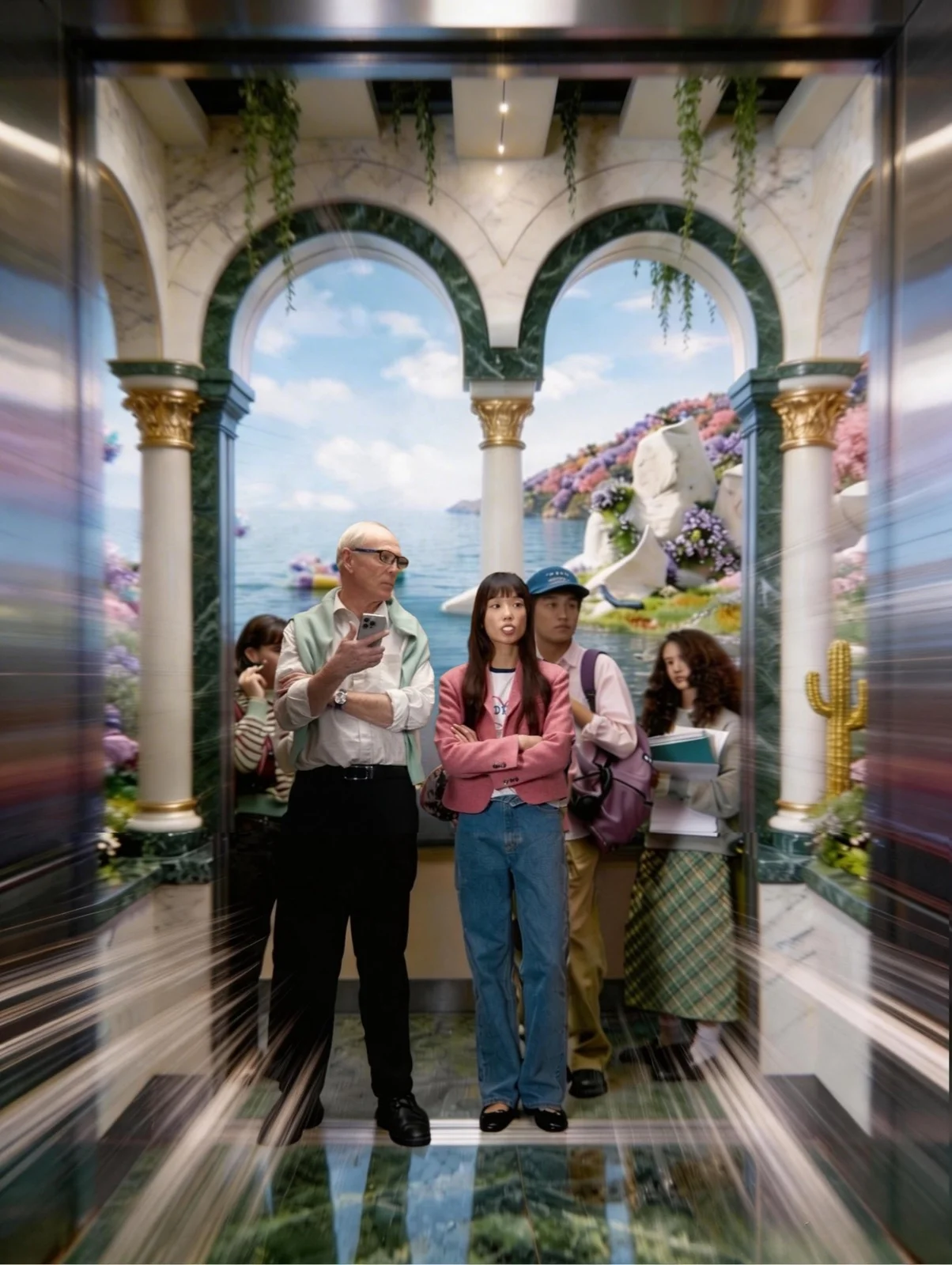



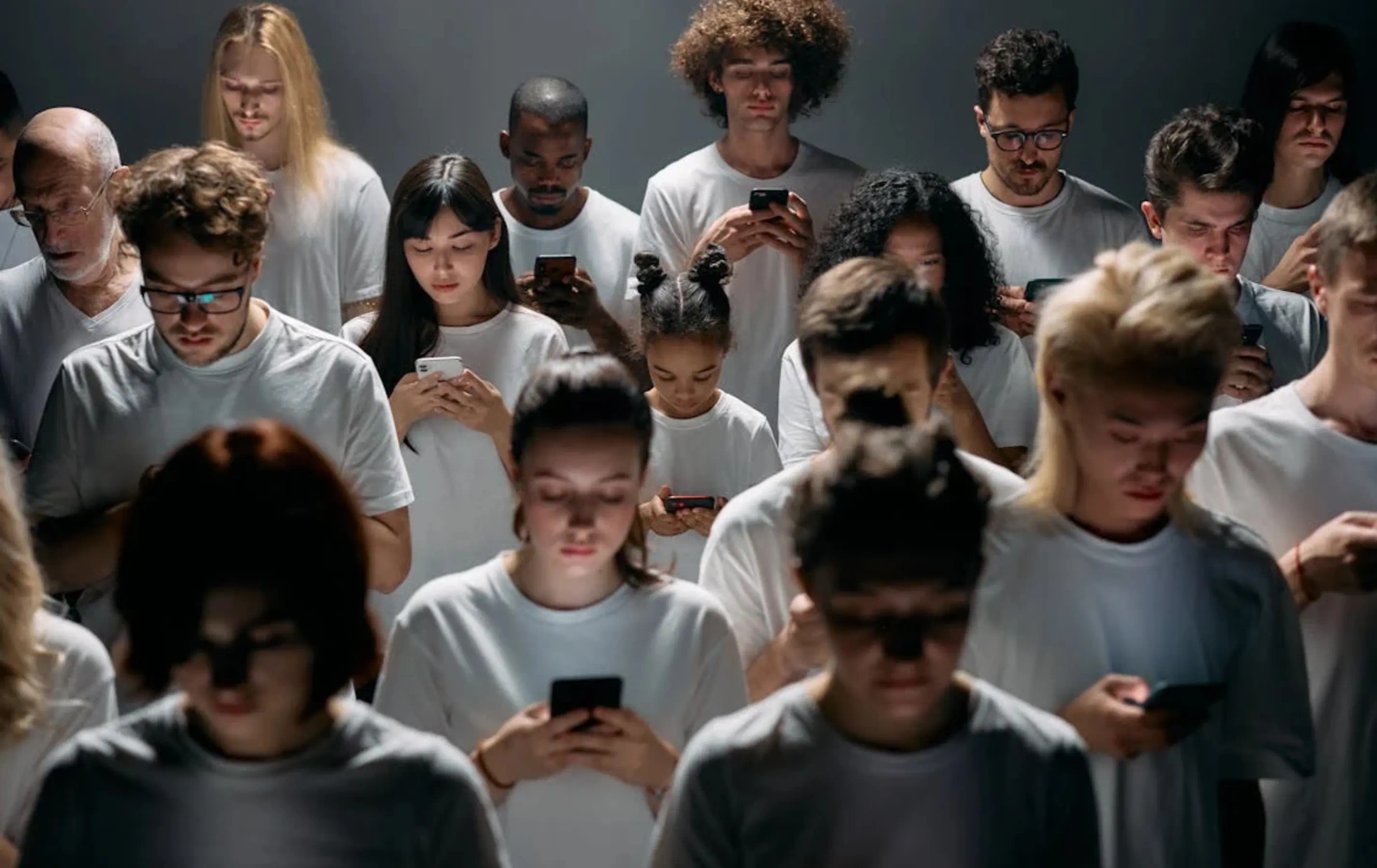
Today, we know too little about too many. Our brains were never built for this kind of stimulation and amount of unnecessary information. Our brains are made to think deeply.
But we at Unloop see a way out. And it's not limiting your screen time or taking a walk in nature once a day.
In a world where everything is available at any given moment, we're paying a price we don't fully understand. As Dr. Anna Lembke, psychiatrist and author of Dopamine Nation, explains, the human brain was never designed for the relentless overstimulation of the modern digital environment. What once helped us survive — our sensitivity to rewards and novelty — is now being exploited.
And the most addictive substances today aren't sold on the streets — they're streamed, swiped, and downloaded. And the consequences for our mental health are profound.
Big Tech has hijacked our brain's reward system just like any chemical drug. Every ping, like, and scroll sends a dopamine hit to our brain, reinforcing compulsive behaviour. These micro-rewards mimic the neural patterns seen in substance addiction.
Remember the documentary The Social Dilemma? The one by ex-tech insiders from Silicon Valley. When I first watched it, I was fully expecting some kind of solution by the end — a turning point, a plan, something. You know, like a culmination that never happened. And honestly, I think that moment wired something permanent in my brain.
We know that Big Tech is used in an attempt to manipulate and influence. Period.
But what are we actually doing about it? Because this isn't just about spending "too much" time on our phones, or overconsuming things advertised to us without our conscious consent — it's way deeper than that. It's about our brain, our mental health, and our overall well-being. And that well-being is being hijacked every day by (1) neuroticism triggered by constant comparison, (2) fractured attention spans from endless 15-second dopamine hits, and (3) unqualified advice from self-made "gurus" preaching picture-perfect success stories to an already vulnerable generation. And the list goes on.
The damage is layered and it all comes back to our behaviour, our wiring, and the systems we, users, keep feeding.
And technology isn't slowing down — if anything, we're just getting started. Especially with the rapid rise of AI, we're living through a massive technological upheaval. It's the Wild West out there.
But with the development of that exact AI technology, we now have an opportunity — and the obligation — to make people's lives better.
But first, let's face it
Caught in an endless loop of reward and craving, we are lonelier, more anxious and more depressed than ever.
Jonathan Haidt, in his book The Anxious Generation, discusses how the rapid integration of these technologies has reshaped childhood experiences, accelerated in the early 2010s when adolescents traded in their flip phones for smartphones and the "Great Rewiring of Childhood" began. Mainly because few parents really understood what was happening in children's virtual worlds and lacked the knowledge to protect them from tech companies that had designed their products to be addictive.
Leading to increased isolation and mental health challenges among adolescents. Gen Z (those born after 1995) has been hit hardest, although Millennials (born 1981–1995) haven't been entirely spared.
"A study of American college students found that 37% reported feeling anxious 'always' or 'most of the time' while an additional 31% felt this way 'about half the time.'" — The Anxious Generation
The situation in 2025 is even more alarming, as we find ourselves at the intersection of social, political, and technological upheaval. The demand for mental health support has grown so dramatically that, even if every person in need were to reach out for help, there simply wouldn't be enough resources to meet the demand.
This growing crisis isn't just about a lack of access
Modern loneliness often masks itself as hyper-connectivity.
Modern loneliness has created an illusion of social fulfillment that lacks real emotional depth. With an average daily screen time reaching 6 hours, the "Loneliness Epidemic" has emerged — exacerbated by the very platforms designed to connect us. The fundamental human need for genuine connection remains unfulfilled, leading to what some call "the other gamer's dilemma" — the realization that, despite digital distractions, individuals ultimately find themselves alone in their physical surroundings.
The rise of self-proclaimed gurus and social media therapists has created an epiphany of self-diagnosis.
Over 70% of those in need never seek professional help — not because of not caring, but because of barriers like cost, stigma, or simply not knowing where to begin. Instead, we turn to self-help rabbit holes and TikTok therapists, collecting fragments of advice that leave us knowing too little about too much. The result? We feel stuck — overwhelmed, under-supported, and unsure how to move forward.
Looking into the future
Addressing this complex issue requires a multifaceted approach. Initiatives should focus on promoting digital literacy, encouraging mindful technology use, and fostering environments that prioritise genuine human connections over solely virtual interactions. By understanding the global scope of this crisis and its underlying factors, we can work towards creating a healthier landscape for future generations.
And we at Unloop are extremely proud to have made it our mission: to use technology today, to accelerate the curve on access and quality tomorrow. Because the future of mental health isn't less tech — it's more ethical tech.
Ready to break the loop?
Join people who are taking control of their mental health with real science, not more streaks.